

New Zealand Agriculture & Climate Change Conference 2026
Published: March 20, 2026
About the Conference
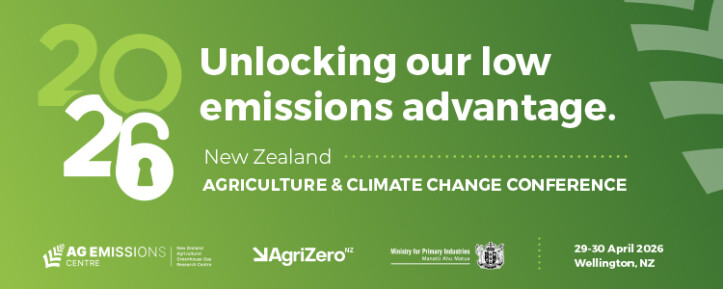
The 2026 New Zealand Agriculture & Climate Change Conference is on 29-30 April 2026 and will be held at Tākina Events in Wellington, New Zealand.
Unlocking Our Low Emissions Advantage
Global food markets are evolving. Low-emissions production is emerging not just as a sustainability requirement, but as a defining marker of quality, resilience, and long-term value.
The 2026 Agriculture and Climate Change Conference is brought to you by the Ag Emissions Centre in partnership with AgriZero and MPI. The event brings together international market leaders, policymakers, rural professionals, scientists, and farmers to examine what these changes mean for New Zealand and how the country can respond strategically.
Speakers include Hon. Todd McClay, with our emcee Climate and Energy Communicator Eloise Gibson guiding the conversation across both days. Alexander Hillary will deliver an aspirational talk to inspire and challenge attendees. The evening dinner on 29 April will feature guest speaker Oliver Hunt, with Sue Bidrose as emcee.
Day One 8:30am-5pm:
Global Signals and What They Mean for New Zealand
What the world wants from New Zealand food
Global market leaders unpack how low-emissions food is becoming a marker of quality, access, and value. Insights from Ada Ignaciuk (OECD), Tim Benton (Chatham House), Nicoline van Gerrevink (Rabobank), Antonia Wanner (Nestle), Jo Hendy (Climate Change Commission) and Cameron Bagrie (Economist).
From global signals to on-farm reality
Hear from New Zealand farmers and sector leaders about what low-emissions leadership actually looks like in practice, including what’s worked, what hasn’t, and lessons learned. Voices across dairy, sheep & beef, horticulture, and AgTech will be featured. We will hear from Aiden Bichan, John Roche, Richard Heath, Peter Lund, Mark Neal, and more.
Where markets, money and emissions collide
Discover how buyer expectations, finance, and investment decisions are shifting, and why emissions performance is becoming a commercial lever, not just a compliance issue. Insights from Lachlan Monsbourgh (Rabobank), Charlotte Rutherford (Fonterra), and Carolyn Mortland (Zespri).
Day Two 8:30am-3pm:
Tools, Technology and the Pathway Ahead
What tools are coming and when?
Get a front row seat of the science, technologies, and system changes on the horizon, including genetics, inhibitors, probiotics, and precision tools, with open discussion about their readiness and do we know their expected timelines? Updates and contributions from Brendan O’Connell (AgriTech NZ), Hayden Montgommery (Global Methane Hub), Naomi Parker, (Ag Emissions), Wayne McNee (AgriZeroNZ), Sinead Leahy (Ag Emissions), Lewis Frost (Nbryo Genetics), Andrew Leech (Bovotica Probiotic), John Caradus (Nitrous Oxide), Jacob Bubolz (Zoetis), Richard Spelman (Dairy Genetics), George Reeves (RBT), and Elliot Mercer (EcoPond).
Concluded by The Pathway to Low Emissions farming, a Leadership Conversation.
Additional Conference Features
- All plenary sessions will be live-streamed, with recordings available to online and in-person delegates
- Networking and Q&A opportunities built into the programme
- Optional conference dinner celebrating innovation in low-emissions agriculture.
Speaker Highlights
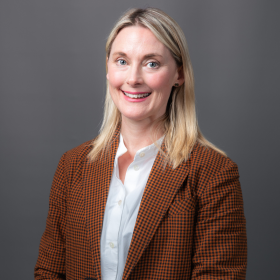 A climate and energy communicator, Eloise Gibson is an award-winning journalist who has spent her career reporting on climate change, science and the economy. She was New Zealand’s first Climate Change Correspondent at RNZ, the country’s first dedicated Climate Change Editor at Stuff, and the inaugural science and environment editor at Newsroom. Her work has earned multiple Voyager Media Awards, including Business Reporter of the Year, Environmental Journalist of the Year and Science Journalist of the Year, as well as recognition for reporting on ethical finance.
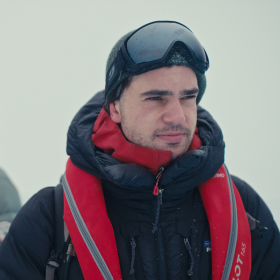 Alexander Hillary is General Manager of the Himalayan Trust and grandson of legendary mountaineer Edmund Hillary. Through his work, he continues a family legacy built on exploration, resilience, and practical problem-solving in some of the world’s most challenging environments.
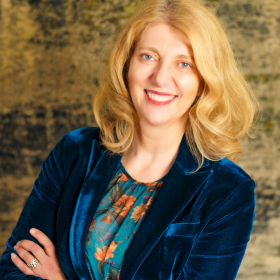 Melissa Clark-Reynolds is a futurist and technology entrepreneur who works with leaders to make sense of rapid change and turn emerging trends into practical strategy. Trained by the Institute for the Future and appointed an Officer of the New Zealand Order of Merit for services to the technology industry, she brings both global perspective and hands-on business experience.
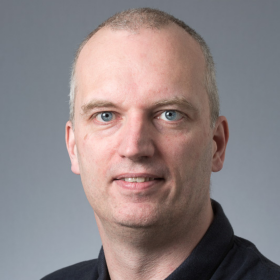 Peter Lund obtained his PhD from The Royal Veterinary and Agricultural University, Copenhagen, Denmark, and is currently Head of the Ruminant Nutrition section and professor in Sustainable Dairy Production at Aarhus University, Denmark, a position which is in collaboration with Arla. The research scope is the development of new technologies that can promote the green transition of agriculture and the development of a more sustainable livestock production with a key interest in inter-disciplinarily, i.e., the interplay between feed production, nutrition, rumen microbiome, genetics, and product quality. His research area is ruminant nutrition with emphasis on feed additives and feeding strategies that can facilitate significant reductions in enteric methane.
 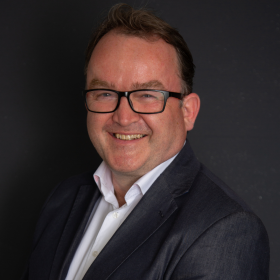 Brendan O’Connell is Chief Executive of AgriTech New Zealand, the industry body connecting innovators, researchers, investors and policymakers working to advance agricultural technology. He leads the organisation’s work to strengthen New Zealand’s agritech ecosystem and support the development and adoption of technologies that improve farm productivity and environmental performance.
If you have any questions, please email conference enquiries at enquiry@ag-emissions.nz
Published: March 20, 2026

